ServicesEnergy Efficient Windows
Energy Efficient Windows in La Habra Heights
We swap out single-pane glass and aging dual-pane units for low-E windows whose ratings fall within California's energy code. Rooms stay cooler through summer, heat holds better in winter, and the inspection paperwork lines up with what went into your walls.
What makes a window energy efficient
Efficiency comes from a few measurable things: the glass coating, the gas between the panes, the spacer at the glass edge and how well the frame is sealed into the wall. Each new window carries an NFRC label showing its U-factor, which tells you how much heat passes through, and its solar heat gain coefficient, which tells you how much sunlight becomes heat indoors. Lower numbers on both mean a more comfortable room.
California's Title 24 energy standards set limits on those numbers for replacement windows. We select units that fall within them, keep the labels on until the inspection is done, and explain what each figure means for your home before you choose.
On a hillside lot with long afternoon sun, solar heat gain often matters more than anything else. A good low-E coating is the difference between a west room you avoid after three o'clock and one you use.
What the work includes
Glass and frame selection
We walk through low-E coating options, argon-filled insulated glass and warm-edge spacers, then match them to frame materials such as vinyl or fiberglass. You see the NFRC ratings for each option side by side.
Code check on every opening
Bedroom windows have to keep a large enough egress opening for someone to climb out, and glass near doors, tubs or the floor has to be tempered. We confirm these requirements opening by opening so the efficient unit is also the correct one.
Energy paperwork and inspection
We pull the permit and prepare the energy compliance documentation the city expects for window changes. The inspector sees ratings that match the plan.
Air sealing at the frame
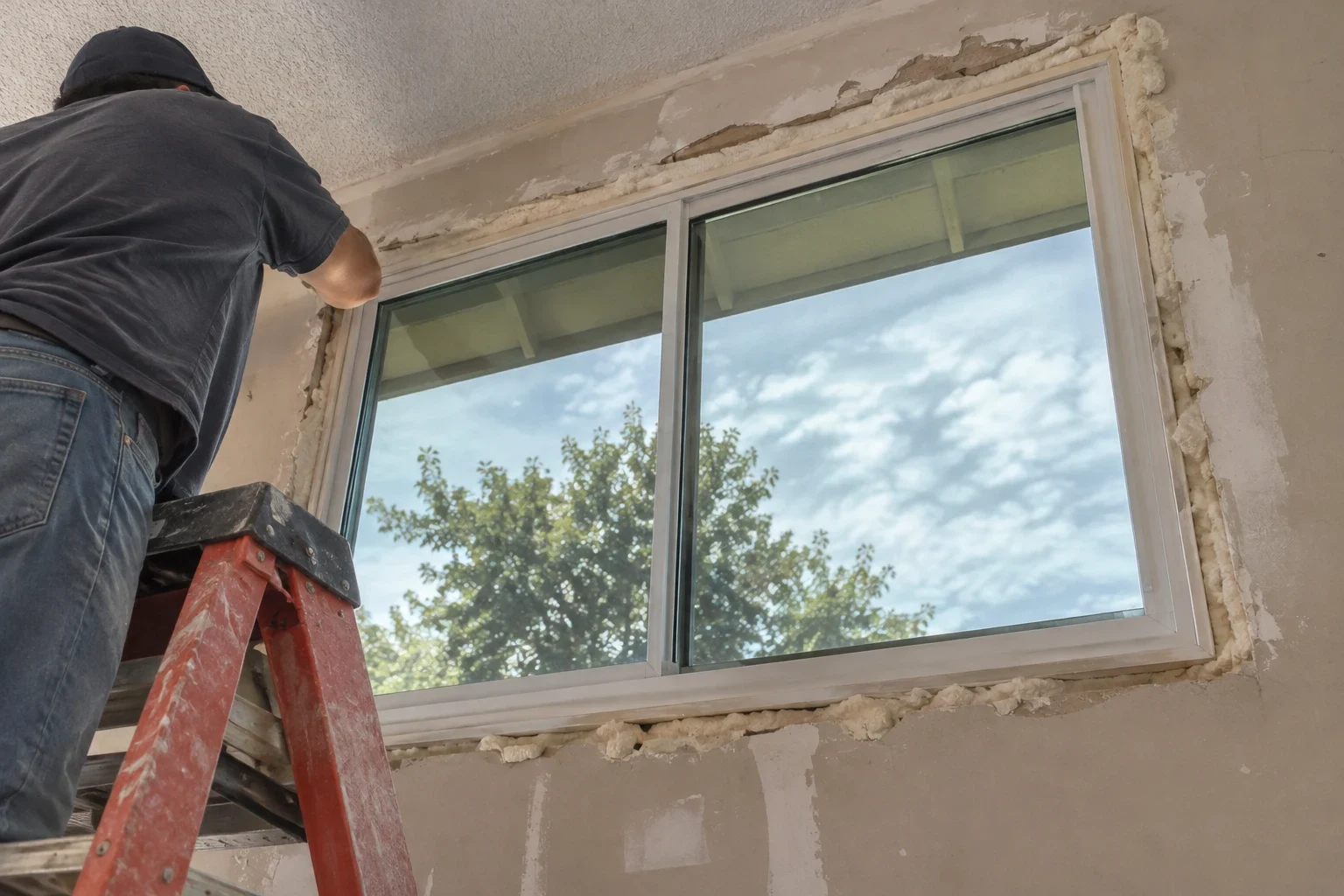
A well-rated window loses much of its value if air slips around it. We set each unit plumb and square, fill the space around the frame with a foam gentle enough not to bow the frame, and finish the outside with a weather-tight bead of sealant.
Finish and cleanup
Interior trim is fitted and caulked, old units are hauled away, and floors and sills are wiped down before we leave.
Signs your windows are costing you comfort
- Glass that feels warm to the touch
- On a sunny afternoon, rest a hand on the pane. If it feels warm, the room is soaking up heat through it, and single-pane or uncoated glass is usually behind it.
- A haze trapped inside double glazing
- Cloudiness or beads of moisture between the two panes mean the edge seal has failed and the insulating gas has escaped. From then on the unit performs about the same as a single sheet of glass.
- Air you can feel at the sash
- Seals that have hardened or flattened, along with frames that have shrunk over the years, give outside air an easy path in. You notice it most when the dry seasonal winds blow.
- Rugs and wood fading near the glass
- Ultraviolet light passing through uncoated glass slowly bleaches flooring, rugs and upholstery. A low-E coating screens out most of it.
- Rooms the air conditioning cannot cool
- If one or two rooms stay warm whatever the thermostat says, look at their windows first. They are often where the heat gets in.
How a project runs
- 1
In-home estimate
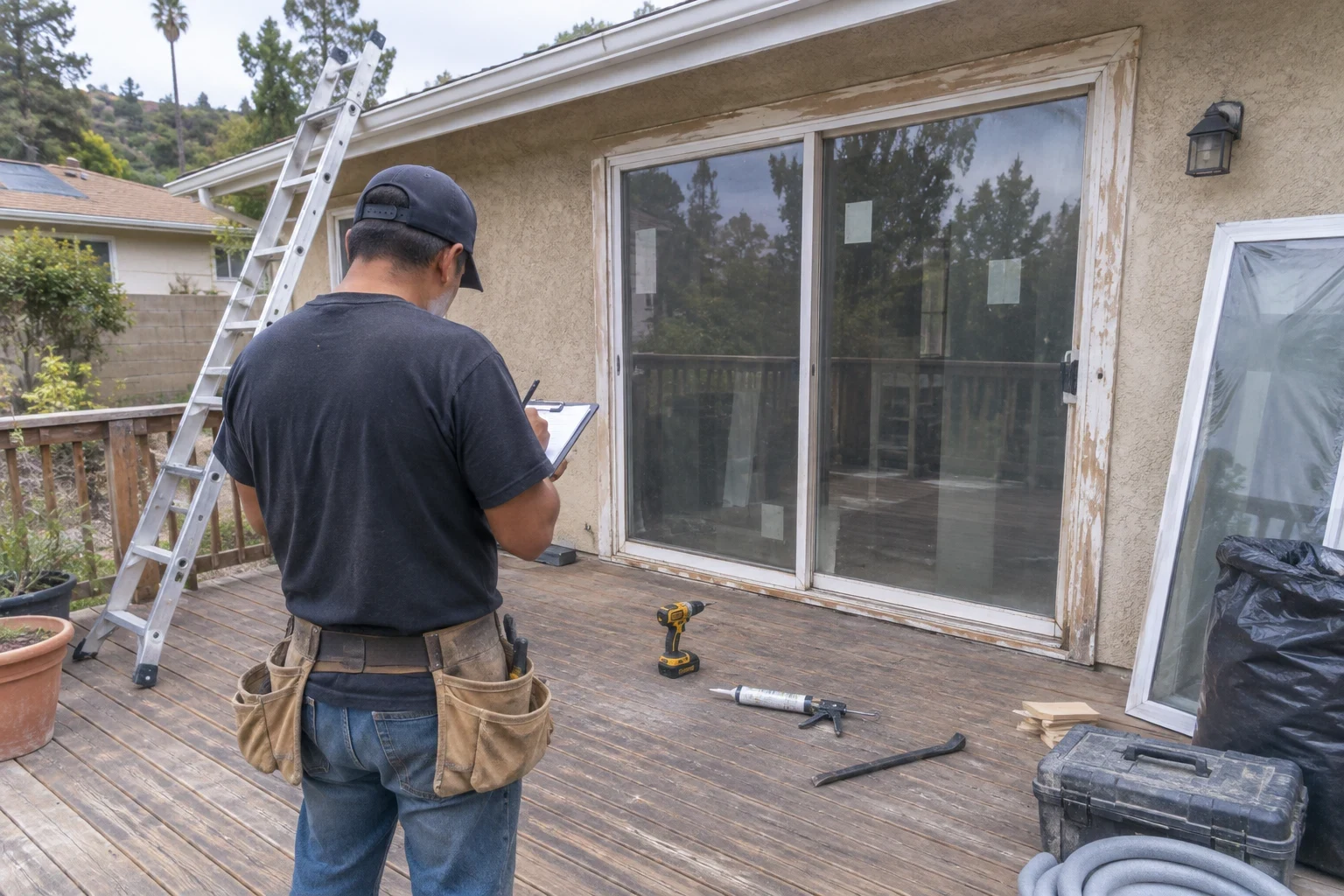
We measure each opening, note sun exposure and the condition of the frames, and check any egress or tempered-glass requirements. You get a written estimate listing every window and its ratings.
- 2
Ordering and paperwork
Once you approve, we order the units built to your measurements and file the permit with the energy documentation. We let you know when the windows arrive so you can plan the install day.
- 3
Installation day
We cover floors and furniture near each opening, remove one window at a time and set the new unit before moving on, so rooms are not left open. Most homes are finished in a day or two depending on the count.
- 4
Inspection and walkthrough
We meet the inspector or schedule the visit for you. Then we walk the house with you, show how each window locks and tilts, and leave the labels and paperwork for your records.
What affects the cost
Price follows the windows you pick and the openings they fill. Every window gets its own line on the written estimate, so you can trade one option for another before we place the order.
- Glass package
- Dual-pane low-E with argon is the common choice. Triple-pane glass or added sound-dampening layers raise the cost.
- Frame material
- Vinyl is the most economical and performs well. Fiberglass and specialty finishes cost more but offer slimmer profiles and richer colors.
- Size and shape
- Large picture windows, arched tops and custom shapes take more glass and more labor to set.
- Condition of the opening
- Rotted sills or damaged framing found once the old window is out has to be corrected before the new unit goes in. We photograph anything we find and explain it before doing the work.
- Tempered and egress requirements
- Openings that need tempered glass or a larger escape size can change the unit price.
Questions about energy efficient windows
- Is a permit required when I switch to energy efficient windows?
- Usually it is. Under California's Title 24 energy standards, replacement windows have to meet set performance limits, and the city confirms that through a permit and an inspection. Filing the permit and preparing the energy paperwork are part of our job, so that work does not land on you.
- Which U-factor and solar heat gain figures should I pay attention to?
- On both numbers, lower means better performance, and the code caps each one for replacement windows in our climate zone. Every unit we quote falls under those caps. We put the NFRC label figures in front of you so you can compare the options on your own terms.
- Will low-E glass make my rooms look dim?
- Current low-E coatings let through nearly all visible light, so the view looks much as it does today. A few of the stronger sun-blocking coatings carry a slight tint, and it shows mostly from the street side. We bring glass samples to the estimate so you can hold them up in your own windows and decide.
- Will new windows actually bring my energy bills down?
- Swapping out single-pane glass or dual-pane units with failed seals tends to make a clear difference in cooling, most of all in rooms that face strong afternoon sun. The amount you save depends on your home, its insulation and how you run your heating and cooling, so we do not promise a set figure.
- Can I replace a few windows now and the rest later?
- Yes. Plenty of owners begin with the rooms that get the most sun, usually on the west and south sides, and finish the others later. Each new window must still meet the energy code by itself, so a smaller project gets the same ratings check and paperwork. We can price it both ways on the estimate so you can choose.
Find out which windows fit your home
We will measure, check each opening against code and show you the ratings before you decide. The in-home estimate costs nothing, and there is no pressure and no obligation to go ahead.